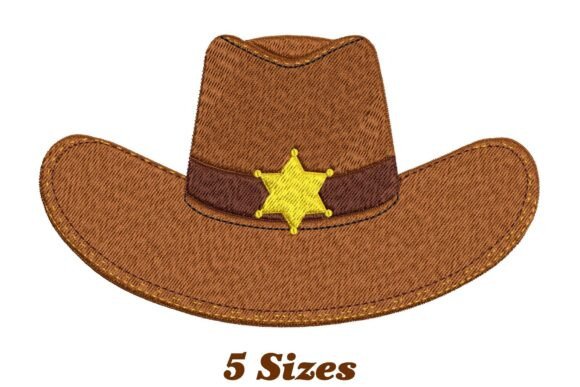
Stylish Cowboy Hat Embroidery Design
First Impression: Cheerful, Artistic & Instantly Recognizable
As an embroidery designer who’s prepped over 200 craft fair booths—and shipped thousands of machine embroidery designs to Etsy sellers and boutique makers—I opened Stylish Cowboy Hat expecting charm, not cliché. What landed was exactly that: a design that feels both playful and polished, with clear western roots but zero kitsch. It reads as cheerful and artistic at first glance—not rustic or overly distressed, not minimalist or sterile, and certainly not cartoonish. That balance is gold for handmade markets where shoppers scroll fast but pause for personality.
Where Stylish Cowboy Hat Shines on Craft Fair Products
This isn’t a one-trick design. Its clean silhouette and confident line work translate beautifully across diverse handmade products—especially those with strong visual storytelling potential:
- Tote bag design: Centered on a natural canvas tote? Yes. The hat’s shape holds weight without overwhelming; it reads clearly from three feet away—the sweet spot for booth browsing.
- Apron embroidery: Positioned just above the pocket or along the waistband, Stylish Cowboy Hat adds instant character to chef, gardener, or barista aprons—without competing with functional details.
- Tea towel embroidery: Works best on lighter-weight linen or cotton towels. The design’s open areas prevent stiffness, and its cheerful vibe aligns perfectly with kitchen gifting.
- Embroidered patch: Highly viable. Trimmed and heat-applied or sewn on, it becomes a wearable signature—ideal for denim jackets, market bags, or kids’ backpacks.
- Caps and fabric pouches: Moderate success—but only with careful placement. On curved cap fronts, test stitch density first. On small pouches (under 4”), scale down thoughtfully: avoid shrinking below 3.5” wide to preserve clarity.
- Pillow covers & market bags: Strong focal point. At 5–7”, it anchors the piece while leaving room for texture, fringe, or coordinating thread colors.
What Makes It Sell—Beyond the Stitch
Stylish Cowboy Hat works because it’s emotionally legible. Customers don’t need to “get” western style to feel its warmth—they recognize confidence, whimsy, and craftsmanship in one glance. At a crowded craft fair, that split-second resonance drives engagement: fingers pause, eyes lift, questions follow (“Is that hand-stitched?” “Do you do custom names?”).
For Etsy sellers and digital embroidery file shops, it’s highly listable. Paired with a clean printable mockup showing it on a cream tea towel and charcoal tote, it communicates premium handmade quality—not mass-produced clip art. And because it avoids tiny script or dense fill areas, it photographs crisply under natural light—no retouching needed.
Production Realities: Know Before You Hoop
Before batching 50 units, run these checks—every time:
- Test on scrap fabric matching your final product (e.g., terry cloth for towels, twill for caps).
- Check thread contrast: Light threads on dark fabric can vanish if stitch density is low; dark threads on light fabric pop—but watch for haloing on textured surfaces.
- Review spacing and stitch density: Avoid overloading tight curves or narrow brim details—those areas can pucker on thick fabric or show skipped stitches on low-tension machines.
- Confirm hoop size compatibility: If your standard hoop is 4×4”, verify the design fits—or plan for re-hooping on larger items like pillow covers.
- Use the right stabilizer: Tear-away for stable wovens (towels, totes); cut-away for knits (t-shirts) or stretchy pouch fabrics.
- Create at least one real mockup, not just a digital preview—fabric drape, thread sheen, and color interaction change everything.
- Compare fabric colors side-by-side: A navy hat on oatmeal linen reads differently than on black cotton twill—adjust thread palette accordingly.
- Confirm commercial licensing before selling finished products. This is a machine embroidery design—not a royalty-free graphic. Verify usage rights for your intended scale.
Careful-Use Notes for Maximum Clarity
While Stylish Cowboy Hat avoids extreme complexity, it does have subtle nuances worth honoring:
- Dense stitch areas—like the crown fold or band detail—can flatten on heavily textured towels or stiffened caps. Reduce density slightly or add lightweight stabilizer underneath.
- Tiny details (e.g., subtle stitching lines or brim shading) may blur on dark fabric or at sub-3” sizes. Prioritize bold outline integrity over micro-details when scaling down.
- Thick fabric (denim, canvas market bags) demands slower speed and sharper needles—don’t rush the fill sections.
- Curved cap surfaces require precise hooping and possibly a cap frame. Test fit before committing to a full run.
- On dark fabric, use matte thread to reduce glare—and consider adding a white underlay for crisp edge definition.
Booth Impact & Brand Alignment
At my last spring fair, I displayed Stylish Cowboy Hat on a folded indigo tea towel, a leather-trimmed tote, and a set of mini embroidered patches pinned to a corkboard. It became the most photographed item—not because it was loudest, but because it felt intentional, joyful, and authentically handmade. It reinforced brand consistency for my western-adjacent line without locking me into a single aesthetic.
For small shop owners and creative entrepreneurs, this design supports storytelling: it’s not just “cowboy,” it’s stylish cowboy—refined, approachable, and ready for modern homes and wardrobes. That nuance elevates perceived value, justifies higher price points, and invites repeat buyers looking for cohesive collections (think: matching towel + pouch + patch sets).
Final Thought: A Smart Addition to Your Design Assets
Stylish Cowboy Hat isn’t just another embroidery file—it’s a versatile, emotionally resonant asset for craft fair sellers, Etsy sellers, and commercial embroidery studios alike. It performs reliably across categories, photographs well, scales thoughtfully, and carries enough charm to spark conversation—without demanding perfection from your machine or your time. Just remember: test, tweak, and trust your eye. Because in handmade markets, authenticity isn’t just in the stitch—it’s in the care behind it.