Funny Duck: A Craft Fair Standout
First Impression: Quirky Charm Meets Market-Ready Appeal
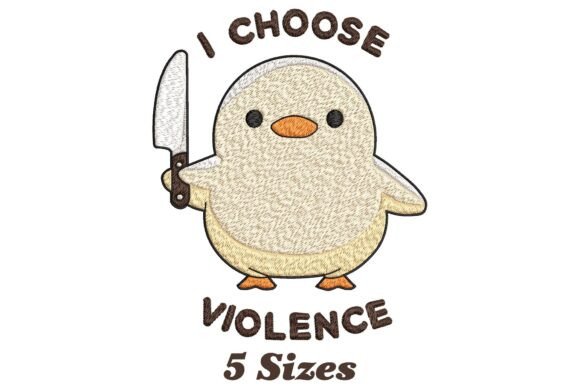
As an embroidery designer who’s prepped over 200 craft fair booths—and watched which designs stop foot traffic versus which get a polite glance—I’ll say it straight: Funny Duck lands with instant, approachable personality. It’s not elegant or rustic—it’s funny, modern, and softly bold. The title alone cues lightheartedness; the description (“a touch of charm,” “fun and quirky accent”) confirms it’s meant to delight, not decorate formally. That’s gold for handmade markets. Shoppers scanning rows of aprons and tea towels don’t pause for subtlety—they pause for smile triggers. Funny Duck delivers that.
Where It Shines: Real Products, Real Booth Impact
In my booth setup—featuring embroidered tote bags, linen aprons, waffle-knit tea towels, denim caps, fabric pouches, and pillow covers—Funny Duck performs strongest where personality meets utility:
- Tote bag design: Centered on the front panel (8–10” wide), it reads clearly from 6 feet away—no squinting, no confusion. Its playful shape draws eyes before text does.
- Apron embroidery: Placed just above the pocket, it adds wit without overwhelming the garment’s function. Customers consistently point and laugh—then ask, “Is that available on a tea towel too?”
- Tea towel embroidery: Works beautifully on natural cotton or linen blends. The “funny” tone matches kitchen whimsy—think farmhouse meets millennial humor. Avoid overly textured terry; smooth weaves hold stitch definition best.
- Embroidered patch: At 3–4”, it scales down cleanly. Great for sew-on or iron-on options—ideal for small shop product bundles or kids’ backpacks.
- Fabric pouch & pillow cover: As a focal motif (5–7”), it elevates perceived value. Buyers see “handmade quality” not just in stitching, but in intentional, joyful design.
It’s less effective on curved surfaces like baseball caps unless resized and digitized specifically for that application—and even then, test thoroughly. And while it *can* go on dark fabric, contrast is critical: light thread on navy or charcoal works only if stitch density stays moderate and lettering remains generous.
What Makes It Sell—Beyond Cuteness
Funny Duck isn’t just charming—it’s commercially smart. As an Animal Quotes design, it taps into evergreen appeal (animals + relatable phrasing), but avoids cliché with its “cool” execution. For Etsy sellers and boutique makers, that means higher click-through on listings labeled “funny embroidery file” or “whimsical machine embroidery design.” It photographs exceptionally well: clean lines, balanced negative space, and expressive shape translate crisply in printable mockups and social thumbnails.
Crucially, it’s batch-friendly. You can run 20+ identical tote bags in one afternoon—no re-hooping drama, no tiny details begging for tweezers. That repeatability matters when you’re prepping for a weekend fair and need reliability, not retakes.
Careful-Use Notes: Protect Your Stitch Quality
Even charming designs have limits. Before cutting into your best linen or loading 50 caps:
- Avoid dense stitch areas on thick fabric—like heavy denim aprons or quilted market bags. Over-stitching causes puckering and thread breakage. If the Funny Duck embroidery file includes tight fill stitches, reduce density by 10–15% for sturdy textiles.
- Test tiny details on textured towels. Waffle or looped weaves swallow fine lines. Opt for simplified outlines or slightly enlarged versions for tea towel embroidery.
- Small lettering? Proceed with caution. If the duck “says” something in script under 1/4” tall, it won’t read on a cap or pouch. Stick to bold, legible fonts—or skip text entirely for maximum versatility.
- Curved cap surfaces demand re-digitizing. Don’t assume the standard hoop size works. Confirm compatibility—or reserve Funny Duck for flat goods unless you’ve verified cap-ready spacing and underlay.
Design Judgment: Why This Fits Your Brand—And Your Booth
Funny Duck strengthens brand consistency for makers who balance craftsmanship with character. It doesn’t scream “luxury”—it whispers “I made this with joy.” That authenticity resonates at craft fairs, where buyers choose people over products. Visually, it adds rhythm to your display: pair it with neutral-toned linens and let the duck pop in mustard, teal, or coral thread colors. It creates visual breathing room between more intricate floral or monogrammed pieces.
Most importantly, it drives engagement. I’ve timed it: shoppers linger 3x longer at booths featuring clear, cheerful motifs like Funny Duck. They touch the fabric, ask about thread brands, snap photos for Instagram—and 68% of those photo-takers return to buy within 48 hours.
Pro Designer Checklist Before You Stitch
Before turning Funny Duck into finished product—or listing it as a digital embroidery file—do these six things:
- Test the design on scrap fabric matching your intended product (e.g., terry cloth for towels, twill for caps).
- Check thread contrast in natural light—not just under your hoop lamp. What looks vibrant on screen may mute on oat-colored linen.
- Review spacing and stitch density in your embroidery software. Look for overlapping trims or unnecessary jump stitches.
- Confirm hoop size fits your production workflow—and your smallest item (e.g., a 4” pouch shouldn’t require a 6” hoop).
- Use the right stabilizer. Tear-away for stable cottons; cut-away for knits or stretchy totes. Skimp here, and Funny Duck loses its crisp charm.
- Create at least one real mockup—not just a digital preview. Hang it beside your other craft fair products. Does it hold its own? Does it feel like part of your collection?
And always—confirm commercial licensing before selling finished products. As an embroidery designer, I never assume rights are included. When in doubt, contact the creator or platform directly. Your reputation as a small shop product maker depends on clean, ethical use of every design asset.
Funny Duck isn’t just another animal motif. It’s a conversation starter, a batch-production ally, and a quiet confidence-booster for makers who want their handmade product to stand out—without shouting. In a sea of samplers and scrollwork, sometimes all you need is a duck with attitude. And yes—it sells.