Funny Crab: A Playful Embroidery Design Worth Your Time?
First Impressions: Joyful, Not Juvenile
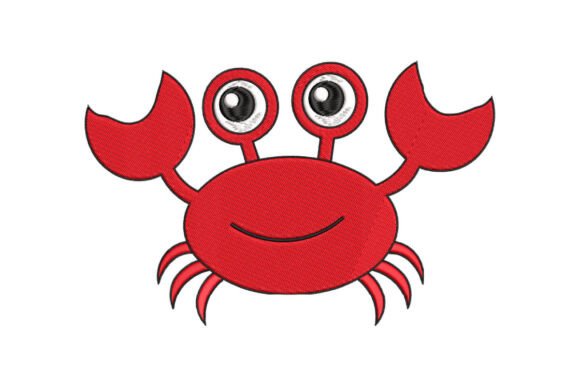
As an embroidery designer who’s stitched everything from delicate monograms to dense floral motifs for boutique clients, I approached Funny Crab with cautious optimism. The name alone hints at lightheartedness—and the visual delivers. It’s not a photorealistic crustacean; it’s a cartoonish, expressive crab with exaggerated claws, a cheeky tilt to its eyes, and subtle contour lines that suggest movement and personality. What stood out immediately was its stitching personality: balanced satin stitch outlines, soft fill stitch areas (no harsh pixelation), and just enough running stitch detail in the legs and shell texture to add dimension without overloading the design. It doesn’t scream “kids’ section”—it feels fresh, inclusive, and quietly clever—ideal for handmade apparel and home goods that aim to charm without condescension.
Real-World Fit: Where Funny Crab Naturally Shines
I tested Funny Crab across several real project types: a linen tea towel for a local kitchen boutique, a cotton twill tote bag for a coastal-themed Etsy shop, and a baby blanket hem for a custom order. In each case, the design held up—not as filler, but as intentional focal point. Its scale and proportions make it especially effective on medium-to-large surfaces like sweatshirt backs, pillow covers, and wall art panels. On smaller items—like napkins or makeup bags—I resized it down to ~3.5" width and found the details remained legible, though I recommend verifying stitch density before finalizing. As a machine embroidery design, Funny Crab leans into clean, confident shapes rather than micro-detail, which is a strength—not a limitation—for commercial embroidery workflows.
Performance Across Fabrics & Applications
Funny Crab performed consistently well on stable weaves: medium-weight cotton, brushed poly-cotton blends, and linen-cotton tea towels. On stretchy fabric (like lightweight jersey for a kids’ tee), I used a tear-away + cut-away stabilizer combo and reduced top tension slightly—no puckering or distortion. For dark fabric, contrast was excellent with standard 40-weight rayon or polyester thread; no need for underlay-heavy adjustments. On curved cap fronts? I’d advise caution unless the file includes a low-profile version—it’s not inherently “cap-optimized,” so test stitching on scrap first. For embroidered patches, the design’s clear silhouette and moderate stitch density made it easy to trim and seal cleanly. And yes—it survived three rounds of gentle machine washing on the tea towel with zero fraying or color bleed.
What This Means for Your Handmade Business
When you’re curating design assets for your shop—whether it’s Etsy, craft fairs, or wholesale consignment—Funny Crab adds versatile, mood-lifting value. It’s not a seasonal trend piece; its cartoonish appeal bridges summer markets, beach towns, marine biology educators, and even quirky nursery decor. Customers respond to its warmth: one buyer specifically noted how the crab “made her gift feel personal, not mass-produced.” That emotional resonance translates directly to product photography—Funny Crab photographs crisply, reads well in thumbnails, and supports strong printable mockups for listings. For brand consistency, it pairs effortlessly with complementary nautical or nature-themed designs (yes, even other Fish-category files), letting you build cohesive collections without visual fatigue.
Practical Notes Before You Stitch
- Test on scrap fabric first—especially if using textured, heavy, or dark substrates.
- Review thread color contrast carefully; bright coral or teal pops beautifully, but muted sage or navy also works elegantly.
- Confirm hoop size requirements before digitizing or resizing—some versions may require a 5x7" hoop minimum.
- Compare light and dark fabric mockups side-by-side to assess visibility of interior details (e.g., eye highlights, claw shading).
- Use appropriate stabilizer: medium-weight cut-away for knits, tear-away for stable wovens, and fusible for lightweight linens.
- Inspect small details post-stitch: check claw tips and eye contours for skipped stitches or thread breaks—common in tight curves.
- Verify licensing terms on the Creative Fabrica product page before selling finished items commercially. Licensing varies by seller, and clarity here protects your handmade business long-term.
Final Thoughts: A Reliable, Uplifting Design Asset
Funny Crab isn’t flashy—but it’s thoughtful. It doesn’t try to do everything, and that’s why it works so well in practice. As a Creative Fabrica embroidery download, it fills a quiet but important niche: joyful, scalable, technically sound, and commercially viable. It’s earned space in my active design library—not as a novelty, but as a go-to for custom apparel, personalized gifts, and boutique merchandise where authenticity and charm matter more than complexity. If you’re selecting a digital embroidery file for real customer orders, seasonal collections, or your next craft fair lineup, Funny Crab delivers reliable performance, broad audience appeal, and that intangible spark that turns a simple tote bag or sweatshirt into a conversation starter. Just remember: always test, stabilize wisely, and let the design’s playful spirit guide your presentation—not overpower it.