Goldendoodle Dog Christmas
A Designer’s First Look: Cheerful, Not Cloying
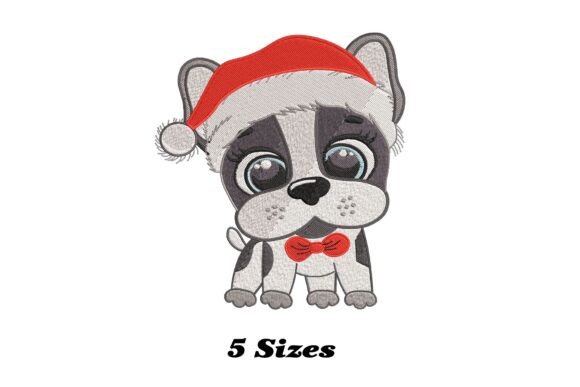
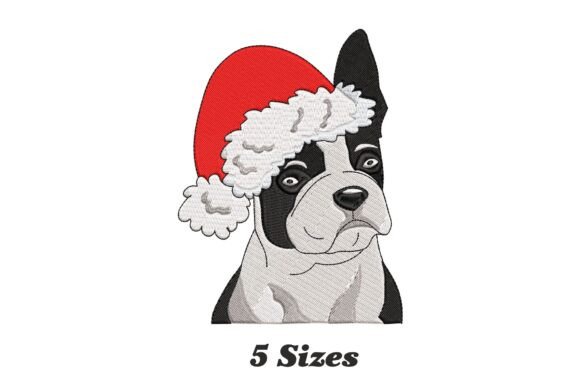
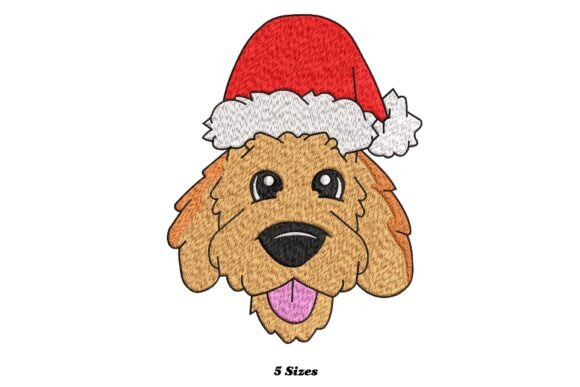
When Goldendoodle Dog Christmas popped up in my design queue, I paused—not because it’s flashy, but because it’s disarmingly warm. It doesn’t shout “holiday!” with tinsel overload or forced whimsy. Instead, it offers a soft, friendly Goldendoodle wearing a tiny red scarf and maybe a sprig of holly tucked behind one ear. The pose is relaxed, slightly tilted, as if the dog just trotted into frame mid-wag. That subtle asymmetry—gentle curve in the neck, uneven paw placement—keeps it from feeling stiff or clip-art-like. As a designer who’s stitched hundreds of pet motifs, I appreciate how this balances charm with quiet confidence. It reads as handmade, not mass-produced, which matters deeply when you’re building trust with customers.
Where It Lives Best: Real Projects, Real Reactions
Last week, I prepped a batch of organic cotton tote bags for a local boutique’s holiday launch—and Goldendoodle Dog Christmas was my top pick for the front panel. Why? Because it lands perfectly at that sweet spot between personal and polished. Customers don’t just see a dog; they see *their* dog—their gentle, goofy, golden-hued companion—reimagined with festive warmth. I’ve used it on baby onesies (scaled to 3.2”), tea towels (centered with a simple running-stitch border), and even as an embroidered patch sewn onto denim aprons for a dog-loving bakery. Each time, the response was immediate: smiles, photo requests, questions about thread colors. That kind of emotional resonance isn’t accidental—it’s baked into the design’s rhythm and restraint.
Fabrics & Forms: Where It Shines—and Where to Pause
Goldendoodle Dog Christmas thrives on stable, medium-weight fabrics: brushed cotton sweatshirts, linen-blend pillow covers, twill tote bags, and terry cloth kitchen towels. Its stitch density feels intentional—not sparse, not overwhelming—so it holds up beautifully on textured surfaces without sinking in or looking muddy. On a lightweight rayon blend tee? I’d add tear-away + cut-away stabilizer combo and reduce top tension slightly. On dark fabric, I tested it first in navy and charcoal: white or ecru thread kept the details crisp, while gold metallic (used sparingly on the scarf) added just enough holiday lift without compromising legibility.
That said, avoid cramming it into hoops under 4” x 4”. The ears, scarf ends, and holly detail need breathing room. On curved surfaces like structured caps, I’d skip it entirely—too much distortion risk in the muzzle and eye area. And while it works well as a standalone machine embroidery design, don’t force it into tight corners of multi-element layouts. Let it breathe. It’s not a filler; it’s a focal point.
What It Does for Your Craft Business
If you’re an Etsy seller or small shop owner, Goldendoodle Dog Christmas quietly elevates perceived value. It reads as thoughtful—not generic. When paired with quality stitching and smart presentation (think clean mockups showing the design on both light and dark backgrounds), it signals care. Buyers notice. They’ll pay $5–$8 more for a sweatshirt with this motif versus a basic font-based “Merry Pup” phrase. Why? Because it feels personal, even when mass-produced. It also translates seamlessly across product types: a single digital embroidery file becomes a best-selling embroidered patch, a seasonal tote bag design, and a limited-run nursery decor set—all without rebranding or redesign.
For personalized gifts? It’s gold. Add a name in a simple sans-serif below the dog, and you’ve got a keepsake—not just a gift. I’ve seen repeat orders from grandparents who buy one each year for their grandkids’ stockings. That loyalty starts with a design that feels timeless, not trend-locked.
Practical Notes Every Embroiderer Should Check
- Always test first—on scrap fabric matching your final substrate, with your exact stabilizer and thread combo.
- Review stitch density before scaling. Enlarging beyond 120% may require adjusting fill angles or reducing satin stitch width to prevent puckering.
- Inspect small details in black-and-white mockups—especially the eyes and holly leaves—to ensure clarity on dark or busy backgrounds.
- Confirm licensing before selling finished products or bundling the embroidery file digitally. This isn’t stated in the description, so verify directly with the source.
- Compare light/dark fabric renders in your design software—some thread colors lose contrast faster than others on deep tones.
- Use proper stabilizer: medium cut-away for knits, tear-away + wash-away for delicate linens, and fusible + tear-away for towels.
Final Thought: A Design That Earns Its Place
Goldendoodle Dog Christmas isn’t trying to be everything. It’s not an applique design demanding extra layers, nor is it a dense fill-stitch landscape that chews through needles. It’s a focused, friendly, finish-ready machine embroidery design built for real use—by real people making real things. Whether you’re stitching custom apparel for a client, stocking your craft fair booth, or launching a new line of holiday-themed handmade products, it delivers consistency without compromise. It looks as good on a $25 tea towel as it does on a $120 heirloom pillow cover. And in a market flooded with rushed, overdesigned holiday motifs, that kind of quiet reliability is rare—and valuable.