Freedom Black History Embroidery Review
First Impression: Whimsical Charm Meets Meaningful Awareness
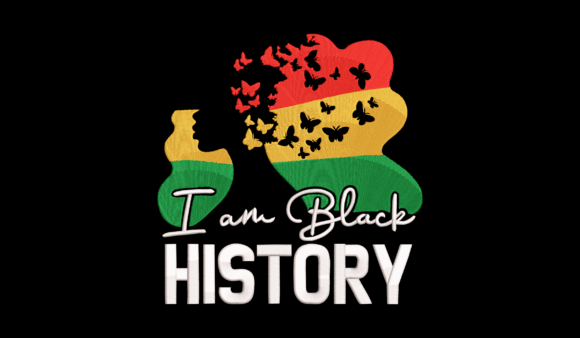
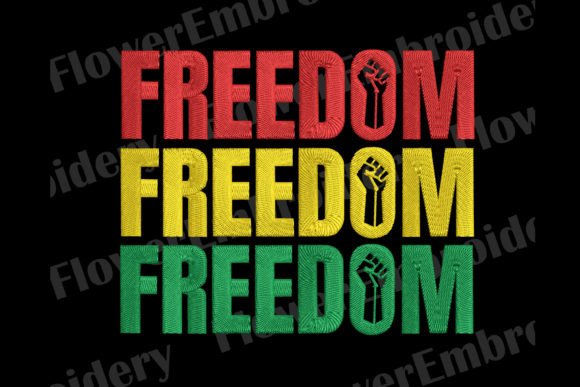
As an embroidery designer who’s digitized and stitched hundreds of awareness-themed designs for small businesses, my first read of Freedom Black History lands with quiet intention—not loud graphics, but grounded warmth. The title signals reverence and resonance; the description—“add a touch of charm… fun and whimsical accent”—tells me this isn’t a heavy political statement rendered in stark lettering. Instead, it leans into approachability: friendly, handmade, and quietly confident. That balance is gold for small business merch. Whether you’re a neighborhood florist launching a Black History Month pop-up or a handmade soap brand curating inclusive gift sets, Freedom Black History feels like a design that invites conversation—not confrontation.
Real-World Business Use: Where This Embroidery File Shines
This machine embroidery design excels where authenticity and subtlety matter most. On staff aprons at a soul-food café? Yes—it adds warmth without overshadowing the logo. As a 2.5” embroidered patch sewn onto tote bags for a boutique’s loyalty program? Absolutely—it elevates perceived value while honoring cultural significance. For cap embroidery on barista uniforms or pet-wellness brand hats? Its “whimsical accent” quality keeps it light, memorable, and scalable. Even as a sleeve detail on custom apparel for a creative studio’s team swag, Freedom Black History reads as intentional, not incidental.
It also works beautifully in layered branding: imagine it stitched beside a minimalist shop name on a linen tea towel (home decor use, per the description), or as a subtle chest accent on cotton-blend work shirts for a local bookstore’s event staff. Because it’s categorized under Awareness, buyers intuitively connect it to purpose-driven storytelling—making it ideal for Etsy sellers bundling digital embroidery files with printable mockups, or crafters building cohesive design assets around heritage, community, and pride.
Where Caution & Craftsmanship Matter Most
That same charm requires thoughtful execution. On curved surfaces—like cap fronts or tapered tote bag handles—test stitch density carefully. If the design includes fine outlines or delicate script (common in “freedom”-themed typography), those details can blur at smaller sizes. At under 2”, some whimsy may soften into ambiguity—so always run a test on actual fabric before mass production. Dark uniforms? Confirm thread colors offer enough contrast—especially if your brand palette relies on deep navy or charcoal. And on textured fabric (like terry cloth towels or burlap-style totes), stabilizer choice becomes non-negotiable: lightweight cutaway or tear-away won’t hold up; opt for medium-weight fusible + tear-away combo.
Also remember: frequent washing impacts longevity. If Freedom Black History is destined for aprons or kitchen towels, avoid ultra-fine fill areas that trap moisture. Simpler shapes and balanced negative space—hallmarks of strong commercial embroidery—will serve your finished product better than dense, intricate fills.
Brand Identity Impact: More Than Just Stitching
When small businesses choose an embroidery file like Freedom Black History, they’re not just adding decoration—they’re signaling values. Done well, it strengthens customer trust by showing alignment with meaningful awareness, not trend-chasing. It boosts recognition when repeated across touchpoints: a patch on a staff apron, a tiny version on a gift tag, and the same motif stitched onto a reusable market bag. That consistency builds visual cohesion—even for handmade product lines with organic, imperfect aesthetics.
For Etsy sellers and craft brands, this design supports premium positioning. A well-executed embroidered patch signals care and craftsmanship—far more than a printed label. And because it’s rooted in awareness, it encourages buyer engagement: customers pause, ask questions, share stories. That emotional resonance turns merch into memory—and memory into loyalty.
Practical Designer Notes Before You Stitch
- Always test in black and white first. Monochrome reveals spacing issues, overlapping elements, and legibility gaps that color can mask.
- Check scalability early. Resize the embroidery file down to 1.75” and 2” to confirm readability—especially for cap embroidery or small patch applications.
- Review thread color contrast against your base fabric. Light threads on dark fabric need higher twist or matte finish to avoid sheen distractions.
- Inspect spacing between elements. Tight kerning or narrow gaps between letters/graphics may collapse on knit fabrics or during laundering.
- Confirm hoop size compatibility. If your smallest hoop is 4”x4”, ensure the design fits comfortably within that frame—including jump stitches and trim points.
- Test on real fabric and stabilizer combo—not just felt or practice cloth. Cotton blends, poly-cotton, and canvas all behave differently.
- Create a printable mockup for client approval *before* digitizing or stitching. Visual buy-in prevents costly rework.
- Compare it beside your other design assets. Does Freedom Black History harmonize with your existing logo, fonts, and color system—or does it clash tonally?
- Verify commercial licensing. Since this is intended for small business merch, custom apparel, and resale items, confirm the digital embroidery file permits commercial embroidery use. When in doubt, contact the seller directly.
Final Thought: Purpose With Precision
Freedom Black History isn’t just another machine embroidery design—it’s a tool for thoughtful brand expression. For embroidery shops digitizing for local clients, for Etsy sellers curating meaningful collections, and for small businesses building identity through tactile, human-made details, this file delivers charm *and* substance. Used with intention—in the right size, on the right fabric, with the right stabilizer—it becomes more than thread on cloth. It becomes part of your story. And in today’s market, where authenticity drives connection, that’s exactly the kind of finished product customers remember.