Angel Wing Rose Embroidery Design Review
First Impression: Playful, Fanciful — and Surprisingly Versatile
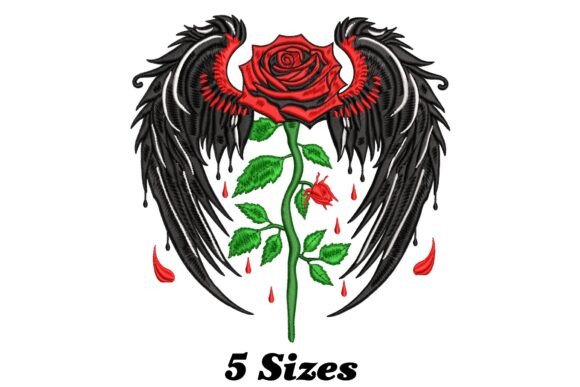
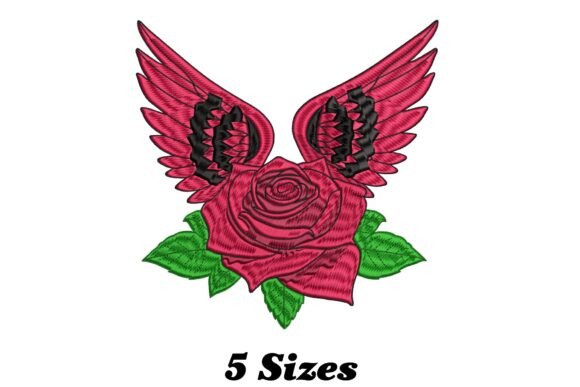
As an embroidery designer who’s developed hundreds of commercial files for small businesses, my first read on Angel Wing Rose is immediate: it’s not just decorative—it’s emotionally resonant. The name alone evokes soft contrast—delicate wings paired with a classic floral symbol—and the description confirms it: “a playful and fanciful accent.” That duality makes Angel Wing Rose stand out in the Single Flowers category. It feels handmade but polished, whimsical but not childish, elegant without being stiff. For a café owner stitching it onto aprons, a florist branding tote bags, or a pet brand embroidering staff caps, this isn’t background filler—it’s a quiet signature.
Real-World Business Use: Where Angel Wing Rose Shines
In my studio, I test every machine embroidery design across six high-frequency merch applications before recommending it to clients. Here’s how Angel Wing Rose performed:
- Embroidered patch: Clean wing contours and open rose center hold up beautifully at 2.5”–3.5”. Works flawlessly as a sew-on badge for boutique staff jackets or as a woven-style iron-on for handmade product tags.
- Apron embroidery: Positioned just above the pocket or centered on the chest, it reads clearly—even on textured cotton duck. Its balanced negative space prevents visual heaviness during long shifts.
- Cap embroidery: At 2” wide (front panel), the wings frame the rose without crowding the curve. Avoid placing it too low on the bill—keep it centered and slightly elevated for optimal visibility.
- Tote bag design: On natural canvas or unbleached linen, Angel Wing Rose adds artisanal warmth without competing with hand-lettered shop names. Ideal for gift-ready packaging or customer thank-you bundles.
- Custom apparel: Stitches cleanly on lightweight tees, structured work shirts, and even terrycloth towels—making it viable for bakeries, studios, and wellness brands launching branded merchandise lines.
- Product packaging accents: When stitched onto fabric labels, drawstring pouches, or reusable produce bags, it elevates perceived value and reinforces brand cohesion across physical touchpoints.
Where to Use Angel Wing Rose With Intention
Not every surface is equal—and Angel Wing Rose rewards thoughtful placement. Its charm lies in balance, so avoid pushing it into contexts where that balance breaks down:
- Small patch sizes under 2”: Fine wing tips and rose petal outlines may blur or stitch poorly. Always run a test on your target fabric first.
- Highly curved surfaces like baseball cap bills or tapered sleeves: adjust digitizing tension or reduce density if you’re modifying the file—original embroidery file likely assumes flat application.
- Dark uniforms with light thread: The “playful” feel relies on contrast. Test thread colors against actual garment swatches—not screen previews—to ensure clarity after laundering.
- Fabrics with heavy texture (e.g., bouclé, thick burlap, or heavily brushed fleece): Use cutaway stabilizer and consider simplifying fill areas if stitch density feels excessive.
- Items requiring frequent washing: Confirm whether the digital embroidery file uses satin-stitch borders or dense fill—both affect longevity. A lighter-density version often performs better over time.
Brand Identity Impact: More Than Just a Pretty Stitch
For small business owners, every embroidered detail contributes to trust and recognition. Angel Wing Rose strengthens brand identity by offering gentle distinction—neither generic nor overly literal. A bakery doesn’t need a cupcake; a florist doesn’t need a full bouquet. This design implies care, creativity, and attention to detail—qualities customers associate with handmade product and local authenticity. Used consistently across aprons, totes, and packaging, it becomes a subtle anchor point in your visual language. Customers begin to recognize the shape before the logo—a sign your small business merch is working.
Practical Designer Notes You Can’t Skip
Before cutting thread or sending files to production, here’s what I always do—and recommend you do—with Angel Wing Rose:
- Test in black and white first: Print a monochrome mockup to assess silhouette strength and proportion—no color distraction, just form.
- Check small-patch viability: Resize to your smallest intended use (e.g., 1.75”) and inspect wing definition and rose center clarity.
- Review thread color contrast on real fabric samples—not just digital swatches. Light threads on darks can fade visually after wash cycles.
- Inspect spacing between elements: Are wing edges too close to rose outlines? Tight spacing risks “stitch bleeding” on looser weaves.
- Confirm hoop size compatibility: Does the design fit comfortably within your standard hoops? Oversized files risk misalignment on commercial machines.
- Test on your target fabric + stabilizer combo: Even trusted files behave differently on rayon vs. organic cotton. Always stitch a sample.
- Create a printable mockup for client approval: Show Angel Wing Rose in context—on an apron sketch, cap flat, or tote bag render—to align expectations early.
- Compare beside existing design assets: Does it harmonize with your logo, typography, and other embroidery design elements—or does it compete?
- Verify commercial licensing: Since this is for commercial embroidery, double-check that your purchase includes rights for resale, branded goods, and business use. Never assume.
Final Thought: A Thoughtful Choice for Meaningful Merch
Angel Wing Rose isn’t flashy—but that’s its strength. In a market saturated with loud logos and trend-driven graphics, this embroidery design offers quiet confidence. It supports storytelling without shouting, enhances handmade presentation without overshadowing, and delivers consistent professionalism across diverse applications—from café aprons to Etsy packaging. For small business owners building authentic connections, that kind of intentionality isn’t optional. It’s essential. And when executed well, Angel Wing Rose doesn’t just decorate fabric—it deepens brand resonance, one thoughtful stitch at a time.